“We know which learners it helps, under what conditions, and what evidence to gather next.”
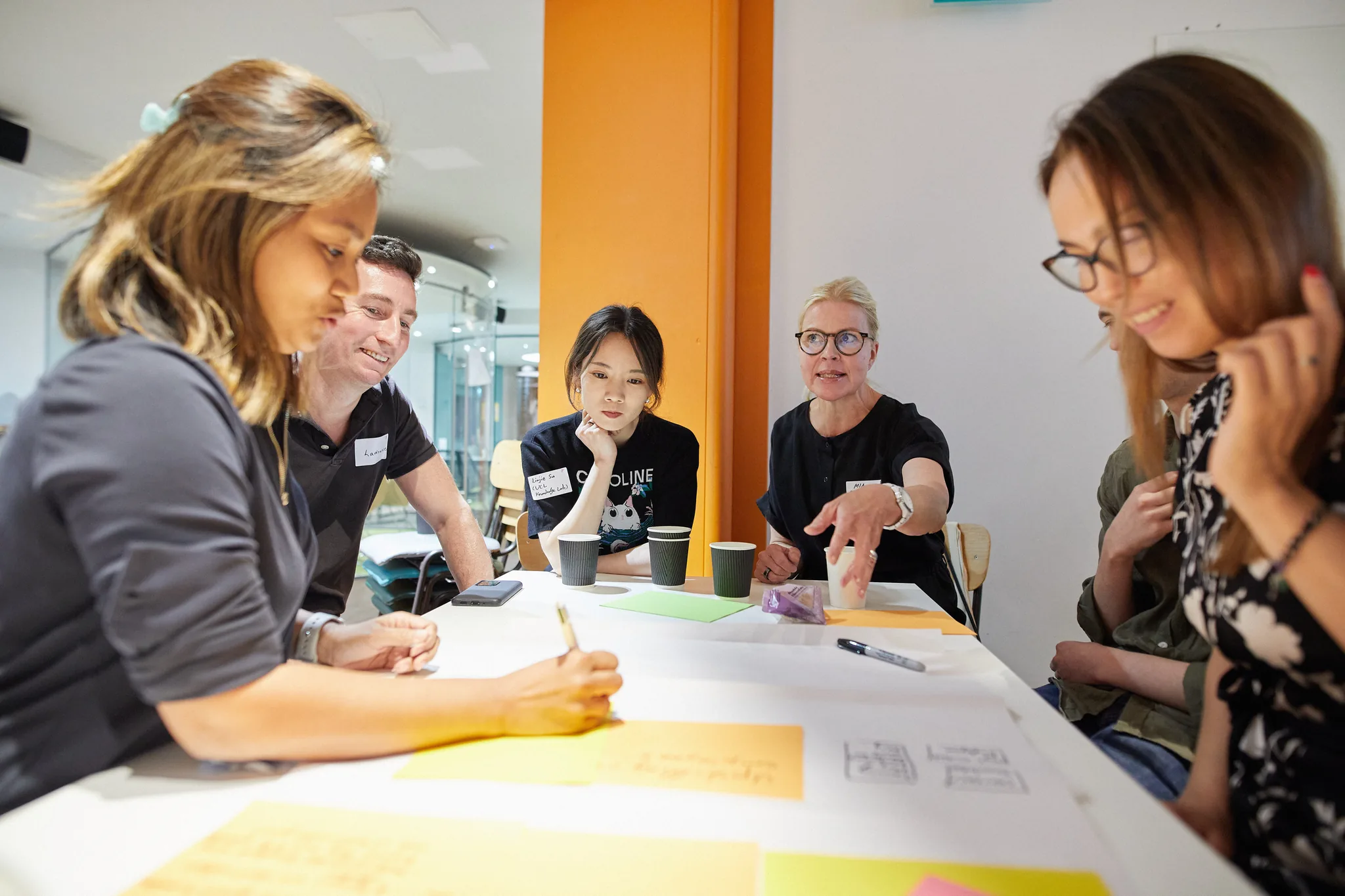
UCL EdTech Labs is the accelerator run by University College London's education faculty. Over four months in London you learn the research method that faculty uses, and you apply it to your own product rather than to a case study.
Autumn 2026 cohort applications will open soon. Register interest to be notified.
Free to take part.
No fee, no equity.
The London programme costs the startups on it nothing. We charge no participation fee and we take no equity in your company, during the programme or afterwards.
- Length
- Four months, cohort-based
- Where
- In person in London, at UCL
- Who can apply
- Founders anywhere in the world
Who teaches it
Taught by the people who do the research
UCL is ranked 1st in the world for Education (QS World Rankings by Subject 2024). The accelerator comes out of the UCL Knowledge Lab, which has been doing funded education research since 2004.
The London programme runs under UCL Engineering and is co-designed with the UCL Institute of Education. Its academics teach the research sessions themselves. A general accelerator has no education faculty to draw on.
Delivery partners include the UCL Centre for Digital Innovation powered by AWS, the UCL School of Management, and IDEA London.

The stages
How four months turns one into the other
Three delivery stages run one repeating cycle: Scope → Learn → Focus. Alumni call it the innovation spiral. Each stage names what you leave holding.
Stage 1
Setting the Foundations
Before any research happens, you get precise about who you serve and what change you are claiming to make.
- Chart every stakeholder group your product touches, actual and potential.
- Articulate purpose, vision and mission, and identify who experiences material change.
The logic model you build Inputs
What you put in
Activities
What you do with it
Outputs
What that directly produces
Outcomes
What changes for learners
Impact
The change that lasts
This is standard published practice, not something proprietary to us. Alongside it you build a theory of change and a stakeholder map.
You leave with: A logic model, a stakeholder map, and a statement of purpose your whole team agrees on.
Stage 2
The Research Method
The core of the programme, delivered by UCL Institute of Education academics: the method an education faculty uses to find out whether something works.
- Find and appraise the research that already exists in your area.
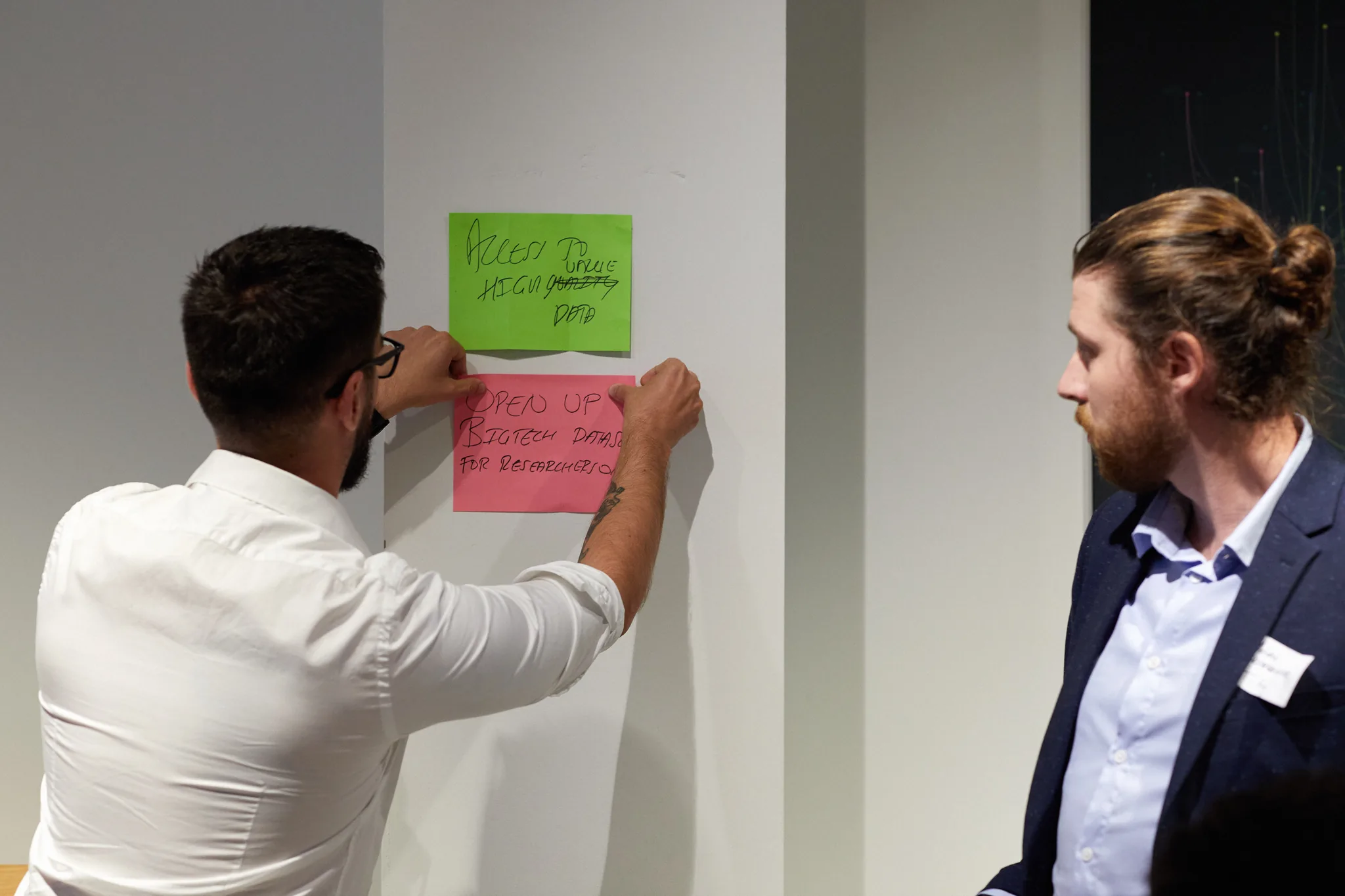
- Surface the assumptions underneath your product and convert them into questions you can actually answer.
You leave with: A theory of change, a set of researchable questions, and a live research plan.
Stage 3
Applying the Method
The method turned back onto the business: product, sales and investment decisions made from evidence rather than instinct.
- Sharpen the sales strategy through what you now understand about stakeholders.
- Address investor theses by valuing social impact in real terms alongside growth.
You leave with: Evidence-led product decisions, a sales narrative grounded in stakeholder need, and an investment case that values impact.
Who it is for
Who the programme is for
These hold across London cohorts. Anything specific to a particular call, such as focus areas or stage, is published with that call when applications open.
Traction, a testable prototype, or a research foundation
Early users, something working we can put in front of people, or solid research behind your approach. Exceptions need a strong case from a selector.
A research mindset and responsible development
A genuine willingness to be shown you were wrong, and to take privacy, bias and educational impact seriously rather than as a compliance exercise.
Team capacity to execute during the programme
The skills and the time to make real progress across four months. Founders who treat it as a side commitment get much less out of it.
Evidence
What founders say changed
These are founders describing what they did differently after the method. They are not measured outcomes for their products. We hold our own claims to the standard we teach.
on stakeholder mapping and logic modelling
“After a few workshops things are beginning to fall into place. We've had a few good team sessions over the last few days and have made progress with stakeholder mapping and logic modelling for product, marketing & sales”
 Andrea De GiorgioCEO & Co-founder, eWorking
on testing assumptions
“The impact on our 'self-made assumption' was massive, we have to work a lot to build a robust logical structure around our evaluations and decisions”
 Angela NewtonCo-Founder, Real Fast Reports
on applying it to product and sales
“We received HUGE value - we had a full team/board meeting yesterday to see how we can implement changes to our product and marketing strategy using the stakeholder mapping and research questioning”
 Dan RosenbergFounder, LinkyThinks
Register interest
No London cohort is currently scheduled.
Register your interest to hear when applications open. We will not announce a date before there is one.
Questions? info@ucledtechlabs.com
Bringing the programme to your institution
We have delivered this programme with universities, regional governments and funders: 15 cohorts to date across London, Paris, Toronto and Dubai. If you are considering commissioning one, we can talk through what delivery involves.
We use analytics cookies to see how the site is used, and only if you accept. Essential cookies are always on. Privacy and cookies